

Car Battery Dies Overnight in 2026: Real Causes and their Fixes
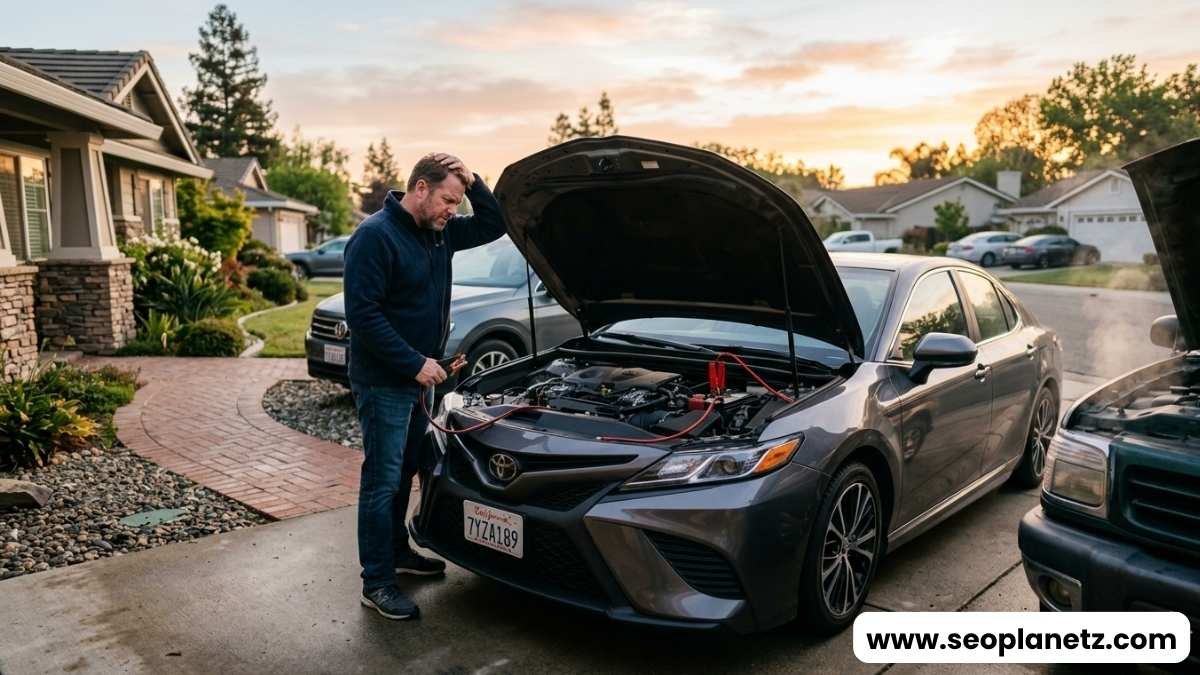
If your car battery dies overnight, you are not alone — and the problem is almost never random. I have seen this exact issue across dozens of different makes and models, and the frustrating truth is that most drivers waste money replacing the battery when it was never the battery to begin with. Whether you wake up to a dead battery on a cold morning or find your car completely unresponsive after a single night in the garage, there is always a traceable root cause silently pulling power while the engine sits off.
A car battery that dies overnight is almost always caused by either a parasitic electrical drain, a failing alternator, a weak or old battery, or extreme temperature damage. Modern vehicles draw between 20–85 mA at rest for essential systems — anything beyond that is a problem that needs fixing.
This guide covers every real cause behind overnight battery drain in 2026, how to diagnose it yourself, and exactly what to do to fix it — based on patterns seen across real workshop cases. If you have already noticed other electrical problems alongside this issue, our guide on 5 Critical Dashboard Warning Lights You Should Never Ignore is worth reading alongside this one.
What Is Normal Battery Drain Overnight?
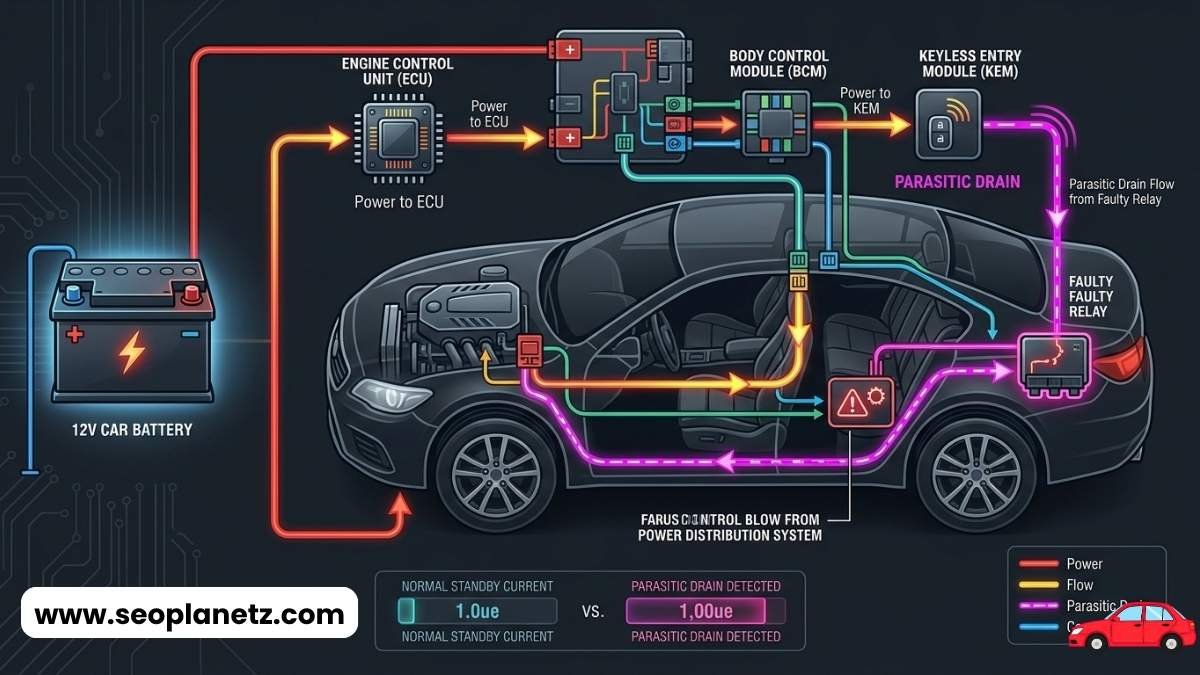
Your car is never truly “off.” The ECU memory, keyless entry module, anti-theft system, and clock all require a continuous trickle of power. This is called quiescent current draw, and a healthy modern vehicle should pull no more than 20–85 milliamps (mA) at rest.
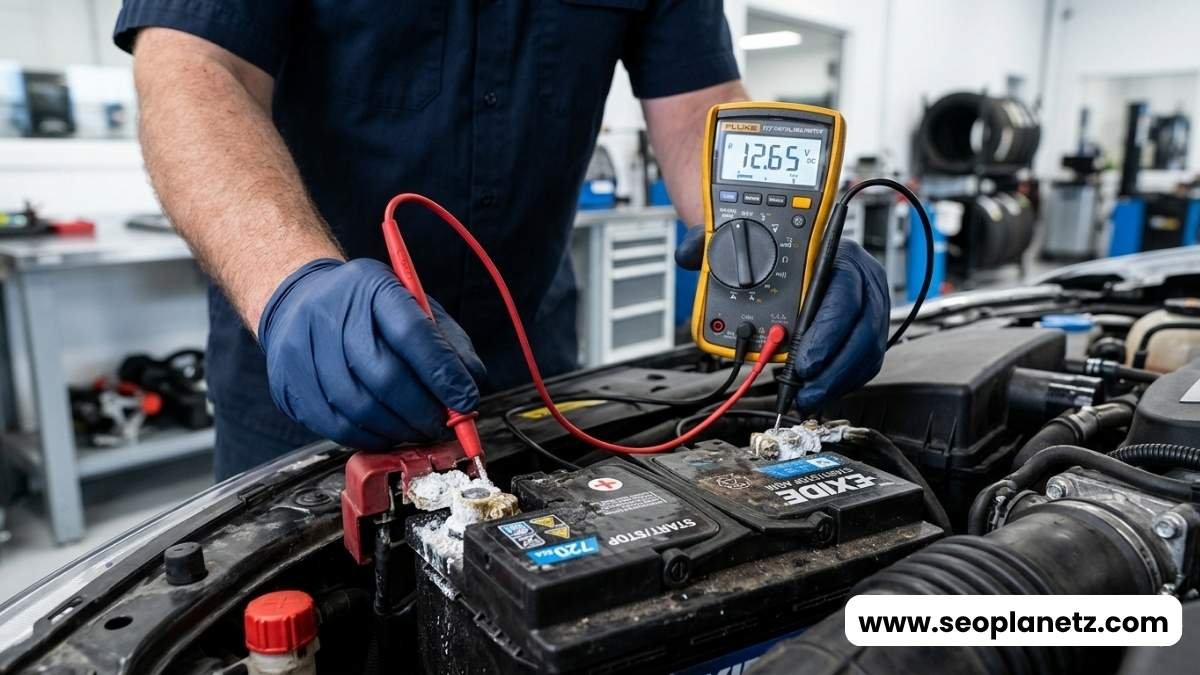
When that draw climbs above 100–150 mA, your battery will typically go dead within 8–12 hours. A healthy, fully charged battery sits at 12.6–12.8 volts. Anything below 12.0 volts after sitting overnight means something is draining it faster than it should.
9 Real Reasons Your Car Battery Dies Overnight
1. Parasitic Electrical Drain (Most Common Cause)
Parasitic drain is the single most common reason a car battery drains overnight. It happens when an electrical component continues drawing power after the ignition is switched off.
Common culprits include:
- Dash cams wired directly to the battery instead of the ACC line
- Aftermarket audio amplifiers with a constant-on circuit
- Faulty relays that fail to cut power to components like fuel pumps or cooling fans
- Defective switches leaving interior lights, glove box lights, or trunk lights permanently on
- GPS trackers, remote starters, or alarm systems drawing excessive current
We cover the full list of car battery draining fast reasons and solutions in a dedicated guide if you want a deeper dive into parasitic draw specifically.
🔧 Pro Tip: Before touching a multimeter, do a simple walk-around first. Open every door, the trunk, and the glove box one at a time in the dark — if any interior light stays on when it should not, you have found your culprit in under two minutes without a single tool.
2. Failing or Bad Alternator (Car Battery dies Overnight)
The alternator charges your battery while the engine runs. If the alternator’s internal diodes fail, it can actually discharge the battery even while the car is parked — a phenomenon called “diode bleed.” Symptoms include a battery that seems fine after a drive but is dead again the next morning.
A healthy alternator should produce 13.8–14.4 volts at idle. Below that range signals a charging problem. Read our complete breakdown of alternator failure reasons and solutions in 2026 to understand exactly what to look for before replacing anything.
🔧 Pro Tip: A quick way to test alternator suspicion without a voltmeter — start the car and turn on the headlights. Rev the engine slightly. If the headlights get noticeably brighter as RPMs rise, the alternator is likely undercharging at idle. That is a strong sign it needs attention before the battery goes flat again.
3. Old or Weak Battery
Most car batteries last 3–5 years under normal conditions. As a battery ages, its internal plates sulfate and it loses the ability to hold a full charge. An old battery may read 12.6V on a multimeter but fail under load. According to Les Schwab’s battery experts, excessive heat and cold are among the top six killers of car batteries — and an aged battery is far more vulnerable to both.
Key signs of a battery past its life:
- Slow engine crank in the morning
- Frequent need for jump-starts
- Battery older than 4 years in a hot climate, 5 years in moderate conditions
💬 From Experience: One of the most common mistakes I see is people load-testing their battery at an auto parts store, hearing “it passed,” and walking away satisfied. A battery can pass a basic load test and still fail overnight if it is holding just enough charge to fool a short test but not enough to survive 8 hours of sitting. Always ask for a full conductance test, not just a load test — it tells you the actual internal condition of the plates.
4. Extreme Cold or Heat
Cold weather slows the electrochemical reactions inside a lead-acid battery, reducing available cranking power by up to 50% at 0°F (-18°C). Heat is actually more damaging long-term — it accelerates internal corrosion and fluid evaporation, permanently reducing battery capacity over time.
5. Corroded or Loose Battery Terminals
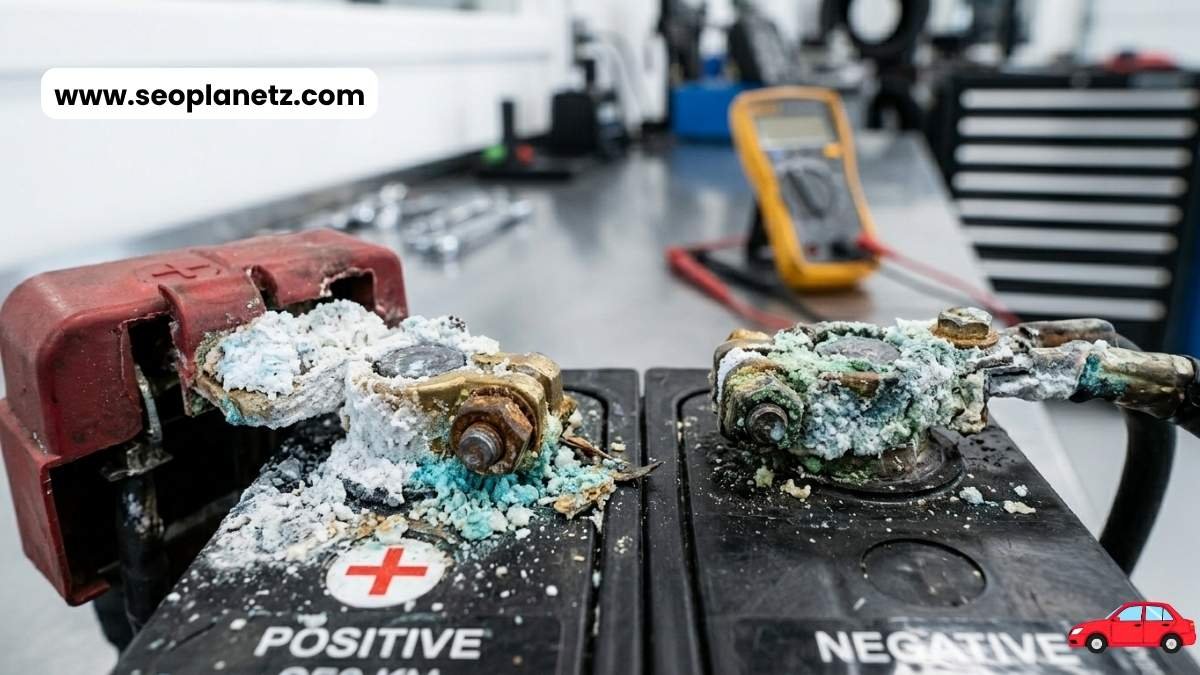
Corroded terminals block power delivery and interfere with proper charging. If the alternator cannot charge the battery efficiently due to high resistance at the terminal, the battery slowly runs down over multiple short trips. Check terminals for white or blue-green powdery buildup and clean with a baking soda and water solution.
🔧 Pro Tip: After cleaning terminals, apply a thin coat of petroleum jelly or terminal grease before reconnecting. It blocks moisture and oxygen — the two things that cause corrosion to return. This one step can easily add a year to your battery’s effective life.
6. Frequently Short Trips
It takes approximately 20–30 minutes of continuous driving for the alternator to replenish the power used during a cold start. Drivers who exclusively make 5–10 minute trips may never fully recharge the battery, causing it to slowly deplete until one morning it does not start at all.
💬 From Experience: I have diagnosed three separate battery drain cases in one month where the cars were all less than two years old and the batteries were perfectly healthy — the owners were all doing school runs of under 8 minutes each way, twice a day. The fix was not a new battery. It was one weekly 30-minute highway drive to let the alternator do its job properly.
7. Faulty Body Control Module (BCM) or ECU Not Sleeping
Modern vehicles rely on the Body Control Module to put electrical systems into “sleep mode” after the car is parked. If the BCM malfunctions, it may keep modules active that should be dormant — running parasitic draw from 85 mA to 300+ mA overnight.
This is especially documented in:
- Ford F-150 (2004–2008) — park sensor failure keeping modules awake
- Certain Jeep Cherokee and Wrangler models
- Dodge Ram 1500 with aftermarket accessories
When a BCM fault is combined with a marginal battery, the result is a dead car every single morning. Our guide on starter motor problems in 2026 covers what happens next when you try to start a deeply discharged battery.
8. Aftermarket Accessories Wired Incorrectly
Any accessory wired directly to a constant-power line instead of the ACC circuit will stay on after the ignition is off. Always wire accessories to the ACC line or install a voltage cutoff relay set at 12.2V to prevent deep discharge. The Advance Auto Parts parasitic drain fix guide includes a clear walkthrough for tracing incorrectly wired aftermarket components step by step.
9. Vampire Draw from Infotainment or Connectivity Modules
Many 2020+ vehicles keep Bluetooth, Wi-Fi hotspot, and connected-car modules partially awake to receive OTA updates or support phone connectivity features. Some models — particularly certain GM, BMW, and Tesla platforms — have known software bugs causing these modules to fail to sleep properly. Check for any TSBs (Technical Service Bulletins) relevant to your specific model and year.
How to Diagnose Overnight Battery Drain: Step-by-Step to check Car Battery Dies Overnight
What you need: A digital multimeter
Step 1 — Measure resting voltage With the car off for at least 2 hours, connect the multimeter to the battery terminals. A reading below 12.4V suggests the battery is already partially discharged.
Step 2 — Perform a parasitic draw test
- Set the multimeter to measure amps (DC)
- Connect it in series with the negative battery cable
- Wait 15 minutes for all modules to enter sleep mode (do not open doors)
- Normal draw: 20–85 mA | Problem threshold: 100 mA or more
🔧 Pro Tip: The 15-minute wait is non-negotiable. Many modern vehicles keep modules active for up to 10 minutes after shutdown — open a door during this window and the timer resets completely. Sit in a chair outside the car, do not touch anything, and only read the meter after the full 15 minutes are up.
Step 3 — Pull fuses one at a time While watching the multimeter, pull fuses one by one from the fuse box. When the reading drops significantly, you have found the responsible circuit.
Step 4 — Inspect that circuit Trace the identified circuit to find the faulty component — a stuck relay, a light that will not turn off, or an incorrectly wired aftermarket accessory.
Step 5 — Load test the battery A battery can show correct voltage but fail under starting current load. If it drops below 9.6V during a load test, the battery needs replacement. The AutoZone battery drain diagnosis guide walks through this process in detail with additional tips for specific vehicle types. If you suspect the problem goes beyond the battery into the broader electrical system, our car headlights dim guide covers related charging and voltage symptoms.
Parasitic Drain Diagnosis Table
| Draw Level | What It Means | Action Required |
|---|---|---|
| 20–85 mA | Normal quiescent draw | No action needed |
| 85–150 mA | Borderline — possible issue | Monitor; check recent accessories |
| 150–300 mA | Definite parasitic drain | Fuse pull test required |
| 300+ mA | Severe drain | Immediate professional diagnosis |
How Long Until a Car Battery Goes Dead Overnight?
| Battery Condition | Parasitic Draw | Dead In |
|---|---|---|
| New, healthy (60Ah) | 85 mA (normal) | ~29 days |
| New, healthy (60Ah) | 300 mA (fault) | ~8 hours |
| Old/weak (30Ah effective) | 85 mA | ~14 days |
| Old/weak (30Ah effective) | 300 mA | ~4 hours |
Can a Brand New Car Battery Dies Overnight?
Yes — and it is more common than most drivers expect. A brand new battery that dies overnight almost always means the battery itself is not the problem. The causes are identical: parasitic drain, a faulty alternator not charging it properly, or a defective relay. Replacing the battery without diagnosing the root cause will result in the new battery dying within days.
For electric and hybrid vehicle owners dealing with a similar problem, the EV battery replacement cost guide for USA 2026 provides relevant context on how battery health is diagnosed differently in those systems.
Always test for parasitic drain before replacing any battery.
Car Battery Dying Overnight in Cold Weather
Cold weather does not cause parasitic drain — it exposes a battery that is already marginal. At 32°F (0°C), battery capacity drops roughly 20%. At 0°F (-18°C), it drops close to 50%. A battery that barely holds charge in summer will completely fail to start in winter.
If your car battery dies overnight specifically in cold months, the battery is near the end of its usable life and should be replaced before next winter.
Common Questions Drivers Ask About Overnight Battery Drain
These are the questions that come up most often from drivers dealing with this problem — answered directly based on real diagnostic experience.
Why does my car battery die overnight even when nothing is left on?
The most likely cause is a parasitic drain from a component staying active after the car is off — such as a faulty relay, a dash cam wired to a constant power line, or an ECU module not entering sleep mode. Use a multimeter in series with the battery’s negative terminal to measure amperage draw and identify the circuit.
How do I find what is draining my car battery?
Perform a parasitic draw test using a multimeter set to amps. Connect it in series with the negative battery cable, wait 15 minutes for all modules to sleep, and read the amperage. Anything above 100 mA is a problem. Pull fuses one at a time until the draw drops — that circuit contains the fault.
How much does it cost to fix a car battery drain?
Replacing a bad battery costs $100–$250 depending on vehicle type. A faulty alternator repair runs $400–$900 including labor. Parasitic drain diagnosis at a shop typically costs $75–$150 for the diagnostic, with repairs varying by component.
Is it safe to drive a car with a draining battery?
Short-term yes, but risky. A failing alternator compensating for a weak battery can damage other electrical components. Address it promptly.
Pros and Cons of DIY vs. Professional Diagnosis
| DIY Diagnosis | Professional Shop | |
|---|---|---|
| Cost | ~$20 (multimeter) | $75–$150 diagnostic fee |
| Time | 1–3 hours | 1 hour at shop |
| Accuracy | Good for simple faults | Better for BCM/ECU issues |
| Tools Needed | Multimeter | Full electrical diagnostic scanner |
| Best For | Lights, fuses, accessories | Complex module faults |
How to Prevent Overnight Battery Drain
- Always wire aftermarket accessories to the ACC circuit, never direct to the battery
- Replace your battery proactively after 4–5 years, especially in hot climates
- If parking for more than 2 weeks, disconnect the negative terminal or use a battery maintainer
- Regularly inspect and clean battery terminals — a 5-minute task that prevents major charging failures
- Take your car for at least one 30-minute drive per week if it sits frequently
- Check for TSBs on your specific vehicle model related to module sleep or electrical drain
- Get a free battery and electrical system check at a professional shop — Firestone’s Complete Battery and Electrical System check is one example of what a proper diagnostic covers
Total Cost of Overnight Battery Drain Repairs
| Issue | DIY Cost | Shop Cost |
|---|---|---|
| New battery (standard) | $80–$150 | $150–$250 installed |
| Alternator replacement | Not recommended DIY | $400–$900 |
| Parasitic drain fix (relay) | $15–$40 | $150–$350 |
| BCM replacement | Complex | $300–$800 |
| Terminal cleaning | $5 | $30–$60 |
Frequently Asked Questions
How long does it take for a car battery to drain overnight?
A healthy battery with normal quiescent draw (20–85 mA) will take weeks to fully discharge. With a significant parasitic fault pulling 300+ mA, a battery can go completely dead in as little as 4–8 hours — meaning one overnight park is enough to leave you stranded.
Can a bad alternator cause the battery to die overnight?
Yes. A failing alternator with damaged internal diodes can discharge the battery even while the car is parked. It may also fail to fully recharge the battery during driving, leaving it progressively weaker. See our full alternator failure guide for symptoms and fixes.
Does cold weather drain a car battery overnight?
Cold weather reduces the battery’s ability to deliver power rather than directly draining it. A battery that is borderline will fail overnight in sub-freezing temperatures. Repeated cold-morning failures mean the battery needs replacing.
Why does my brand new battery die overnight?
A new battery dying overnight means the battery is not the problem — something is draining it. The most common causes are parasitic draw, a faulty alternator, or a module not entering sleep mode properly.
Can I fix overnight battery drain myself?
Yes, for most common causes. A multimeter-based parasitic draw test followed by a fuse-pull test identifies the faulty circuit in most cases. Complex BCM or alternator issues benefit from professional diagnosis.
What mA draw is too much overnight?
Anything consistently above 100 mA after the 15-minute module sleep-down period is too high. Most vehicles should settle between 20–85 mA. A draw above 300 mA will kill a healthy battery overnight.
How do I know if my battery is bad or if there is a drain?
Load test the battery first. If it fails, replace it. If it passes but dies overnight, diagnose the drain. Do not replace a battery that passes a load test without finding the root cause.
💬 Reader Feedback: A common comment we receive goes something like this — “I had my battery tested at the shop, they said it was fine, but it still dies every few days.” This is actually the most useful signal you can get. A battery that passes testing but still dies means the drain is happening after the car is parked — which points squarely at parasitic draw or alternator diode bleed. Do not let anyone sell you a new battery until those two things are ruled out with a proper mA draw test.
Final Verdict
A car battery that dies overnight is always fixable — but only if you diagnose the right cause first. The single biggest mistake drivers make is replacing the battery without testing for parasitic drain or alternator failure. A new battery will die just as fast if the underlying fault is not addressed.
Start with a multimeter-based parasitic draw test. If draw is above 100 mA, pull fuses to isolate the circuit. If draw is normal but the battery still dies, load test it — after 4–5 years it likely needs replacement. For complex faults involving ECU modules, BCM issues, or alternator problems, a professional diagnostic scan is worth every dollar.
For further reading on related electrical problems, check out our guides on car headlights dimming causes, starter motor failure signs, and critical dashboard warning lights — all of which are closely linked to the same underlying electrical health of your vehicle.