
Introduction
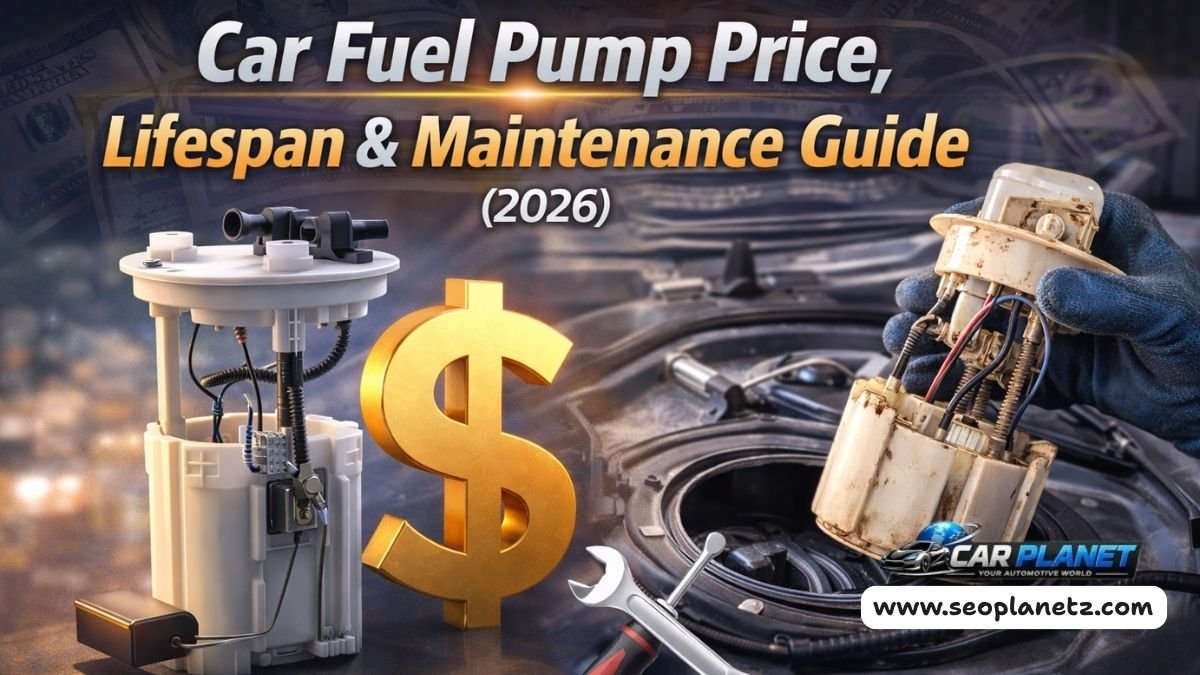
The car fuel pump is one of the most underrated — yet most critical — components in your vehicle. Without it, your engine gets zero fuel, and your car goes absolutely nowhere. Yet most drivers never think about their car fuel pump until they’re stranded on the side of the road. This guide covers everything you need to know about the car fuel pump: how it works, how long it lasts, warning signs of failure, maintenance tips, and exactly how much replacement will cost you in 2026.
What Does a Car Fuel Pump Do?
The job of the car fuel pump is simple: it pulls fuel from your gas tank and pushes it to the engine at the right pressure and volume. Without the correct pressure, your engine either runs rough, loses power, or refuses to start entirely.
Most modern vehicles use an electric fuel pump mounted inside the fuel tank. This design keeps the pump submerged in fuel, which helps cool and lubricate it during operation. Older vehicles used mechanical fuel pumps mounted on the outside of the engine block, driven by the camshaft — but those are rare on today’s cars.
The fuel pump works in three stages: it draws fuel through an intake screen filter, pressurizes it, and pushes it through the fuel lines to the injectors. A pressure regulator ensures the engine always gets a consistent supply. According to AutoZone, the electric fuel pump activates the moment you turn the key to the “run” position, even before the engine cranks.
Also Read: How to Used Toyota RAV4 Complete Buyer’s Guide 2026
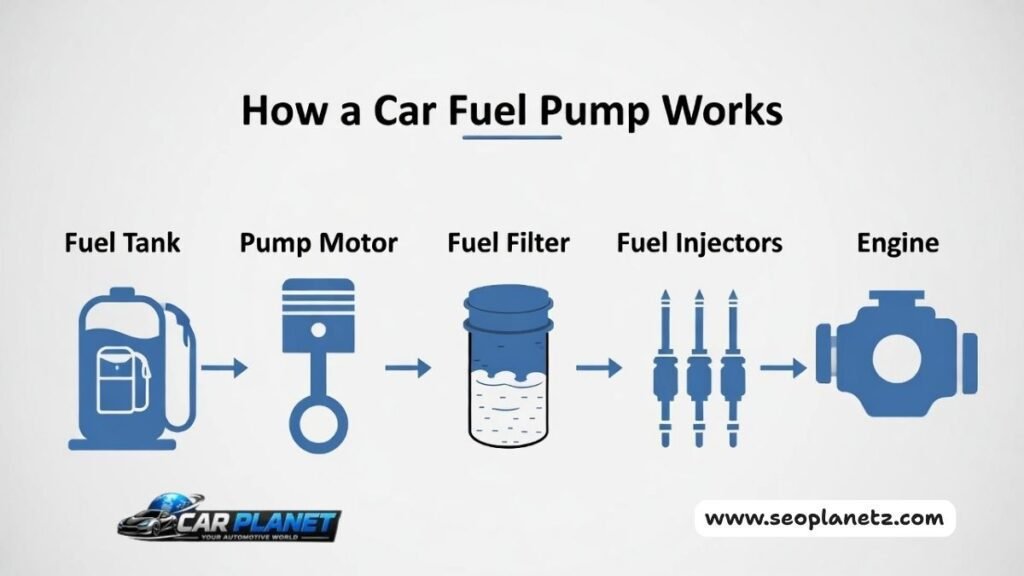
How a Car Fuel Pump Works — Step by Step
Here’s the basic flow when you start your car:
- You turn the ignition key — the fuel pump receives a signal from the ECU
- The pump motor spins and draws fuel through the intake filter screen
- Pressurized fuel travels through the fuel line to the fuel filter
- Filtered fuel reaches the fuel injectors at the correct pressure (typically 40–80 PSI)
- Excess fuel is returned to the tank via a return line (in older systems)
The fuel also performs a secondary function: it cools and lubricates the pump motor. This is why running your tank on empty repeatedly is so damaging to a car fuel pump — the pump runs hot and dry.
Car Fuel Pump Lifespan — How Long Does It Last?
A well-maintained car fuel pump typically lasts 100,000 to 150,000 miles, and many pumps survive well beyond that. According to AAA Automotive, a quality OEM fuel pump can last the full life of the vehicle if treated well.
However, several factors can cut that lifespan short:
- Frequently running the tank below ¼ full — causes overheating and dry-running
- Contaminated fuel — dirt, sediment, and rust particles wear out the pump faster
- Clogged fuel filter — forces the pump to work harder than it should
- Low-quality or incorrect fuel — damages internal pump components over time
- Manufacturing defects — sometimes the part itself is the problem, not how you drive
There is no fixed mileage interval at which you must replace a car fuel pump. As RepairPal notes, fuel pumps have no scheduled replacement interval — you replace them when they fail or show signs of failure.
Also Read: 2026 Kia Stinger: The Ultimate Review, Pricing, and Specs
Symptoms of a Bad Car Fuel Pump
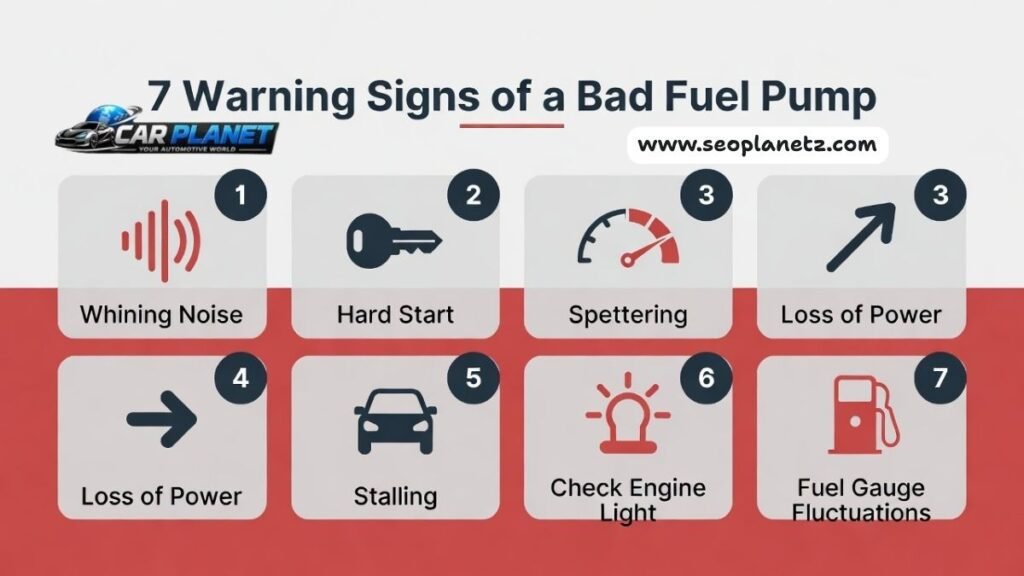
Catching a failing car fuel pump early can save you from being stranded. Watch for these warning signs:
1. Whining or Humming Noise from the Fuel Tank A healthy fuel pump makes a soft hum. If you hear a loud whine or buzz from the rear of the car — especially when you turn the key — the pump may be on its way out.
2. Hard Starting or No Start One of the most classic car fuel pump symptoms. If the pump isn’t generating enough pressure, the engine struggles to start or won’t fire at all.
3. Engine Sputtering at High Speed If your engine runs fine at low speeds but sputters, hesitates, or surges at highway speeds, the pump may not be delivering enough fuel under load.
4. Loss of Power Under Acceleration Stepping on the gas and feeling a lag? A weak pump can’t keep up with the engine’s demand during hard acceleration.
5. Engine Stalling The car starts fine but stalls randomly — especially under load or in hot weather. A dying pump loses pressure inconsistently.
6. Check Engine Light A failing car fuel pump can cause lean fuel conditions, triggering the check engine light. Codes like P0087 (fuel rail pressure too low) often point directly to the pump.
7. Poor Fuel Economy A struggling pump working overtime to maintain pressure can actually increase fuel consumption before it fails completely.
According to Kelley Blue Book, ignoring these symptoms long enough will eventually result in a car that won’t start at all.
Common Car Fuel Pump Problems
Beyond gradual wear, car fuel pumps fail due to specific causes. Understanding them helps you avoid premature failure.
Sediment Buildup — Over years of use, dirt and rust particles from the tank settle and clog the pump’s intake filter screen, reducing flow and pressure.
Electrical Failure — The fuel pump relay, wiring connector, or the pump’s internal motor can fail electrically. Sometimes the fix is a $15 relay, not a full pump replacement — which is why proper diagnosis matters.
Overheating — Running on low fuel starves the pump of the cooling it needs. Heat breaks down internal components over time.
Fuel Contamination — Water in fuel (from condensation or bad fuel sources) corrodes pump internals. Using ethanol-blended fuels above the recommended percentage can also damage older pump seals.
Check the filter first. As ConsumerAffairs notes, a clogged fuel filter produces nearly identical symptoms to a failing pump — but costs far less to fix. A good mechanic will always rule out the filter before replacing the pump.
Car Fuel Pump Maintenance Tips
You can’t service a car fuel pump directly, but you can extend its life significantly with good habits:
- Keep the tank at least ¼ full at all times — this keeps the pump submerged and cool
- Replace the fuel filter on schedule — typically every 30,000–60,000 miles depending on the vehicle
- Use quality fuel from reputable stations — low-grade fuel contains more contaminants
- Avoid running the car on near-empty — the worst habit for pump longevity
- Replace the fuel filter when replacing the pump — always do both at the same time
According to AAA, keeping your tank reasonably full is the single most effective way to extend car fuel pump life, as the fuel itself provides the cooling and lubrication the pump needs.
Also Read: Why Is My Car Smoking? 7 Common Causes and How to Fix Them
When to Replace a Car Fuel Pump
There’s no mileage-based replacement schedule for a car fuel pump. You replace it when:
- It fails completely and the car won’t start
- Diagnostic testing shows insufficient fuel pressure
- You’re experiencing multiple symptoms listed above and the filter has been ruled out
- The pump is making loud abnormal noises
- Your mechanic confirms low pressure via a fuel pressure gauge test
A proper diagnosis is essential before replacement. A fuel pressure test (done with a gauge at the fuel rail) costs very little but can save you from an unnecessary $1,200+ repair. Always have the shop verify the pump is the actual problem — not the relay, filter, or wiring.
Car Fuel Pump Replacement Cost (2026)
Here’s what you’ll realistically pay for a car fuel pump replacement in 2026:
| Vehicle Type | Parts Cost | Labor Cost | Total (Avg) |
|---|---|---|---|
| Economy / Compact Car | $200 – $400 | $150 – $250 | $350 – $650 |
| Standard Sedan / Crossover | $400 – $700 | $200 – $300 | $600 – $1,000 |
| Full-Size SUV / Truck | $600 – $900 | $250 – $350 | $850 – $1,250 |
| Luxury / Performance Vehicle | $800 – $1,500+ | $300 – $400 | $1,100 – $1,900+ |
| DIY (Parts Only) | $150 – $600 | $0 | $150 – $600 |
Data sourced from RepairPal, ConsumerAffairs, and AAA Automotive — updated January 2026.
Average total replacement cost including parts and labor falls between $1,156 and $1,393 for most vehicles. Sarchione Ford On the high end, luxury and performance vehicles can exceed $2,900. Additional costs to factor in include a diagnostic fee of $120–$180 (sometimes waived if you proceed with repair) and towing costs of $55–$133 if the car can’t be driven.
OEM vs. Aftermarket Parts: OEM fuel pump parts range from $200 to $1,000, while aftermarket options typically cost only $20 to $400 — roughly 98% less than OEM in some cases. Kelley Blue Book Quality varies widely with aftermarket parts, so research the brand carefully.
Also Read: 2017 Honda Civic Review, Price, and Specs
How Much Is a Fuel Pump for a Nissan Rogue?
The Nissan Rogue is one of America’s best-selling crossovers, so this is a common question. Here’s what to expect:
| Source | Estimated Cost (Parts + Labor) |
|---|---|
| RepairPal (Nissan Rogue) | $1,693 – $1,800 |
| YourMechanic (Nissan Rogue) | Starting from $532 |
| Kelley Blue Book (Nissan range) | $611 – $894 |
| Advance Auto Parts (parts only) | $17.79 – $1,020.99 |
The average cost for a Nissan Rogue fuel pump replacement falls between $1,693 and $1,800, though it can vary from car to car. ConsumerAffairs The wide range in estimates reflects differences between mobile mechanics, independent shops, and dealerships. Getting 2–3 quotes is always recommended.

Key Takeaways
- A car fuel pump typically lasts 100,000 to 150,000 miles with proper care
- The most important maintenance habit is keeping the tank above ¼ full at all times
- Main symptoms include whining noise, hard starting, engine sputtering, and stalling
- Always check the fuel filter and relay before assuming the pump needs replacement
- Average replacement cost ranges from $350 to $1,900+ depending on vehicle type
- A Nissan Rogue fuel pump replacement costs approximately $1,693 to $1,800 at most shops
- DIY replacement is possible but risky — fuel systems are fire hazards; professional repair is recommended
Frequently Asked Questions
Q: What are the symptoms of a bad car fuel pump?
The most common symptoms include a loud whining noise from the fuel tank, difficulty starting the engine, sputtering or hesitating at highway speeds, sudden loss of power during acceleration, random engine stalling, and a check engine light with a low fuel pressure code (P0087). In advanced failure, the car simply won’t start at all.
Q: How much does it cost to replace a fuel pump in a car?
Labor costs are estimated between $233 and $342 while parts are priced between $1,014 and $1,164 Germainfordofbeavercreek for the average vehicle. Total replacement cost typically falls between $600 and $1,800 depending on your vehicle make, model, and whether you use OEM or aftermarket parts.
Q: What does a fuel pump do for a car? A car fuel pump draws fuel from the gas tank and pushes it to the engine’s fuel injectors at the correct pressure — typically 40 to 80 PSI. Without the right fuel pressure, the engine can’t combust fuel properly, leading to poor performance or no start. The pump also uses the surrounding fuel to cool and lubricate its internal motor.
Q: How much is a fuel pump for a Nissan Rogue?
Nissan Rogue fuel pump replacement costs start from $532 for mobile mechanic service, RepairPal while dealership and RepairPal estimates place the total between $1,693 and $1,800 including parts and labor. Parts alone from Advance Auto Parts range from under $20 for basic aftermarket units to over $1,000 for premium OEM-equivalent modules.
Q: Can I drive with a bad fuel pump?
Short answer: not safely. A weak pump may still run the car, but you risk stalling in traffic, engine damage from running lean, and overheating the catalytic converter. If you suspect fuel pump failure, have it towed or driven directly to a mechanic — don’t risk it on a highway.
Q: Is it worth replacing a car fuel pump on a high-mileage vehicle?
It depends on the overall condition of the car. If the vehicle is otherwise in good shape, a fuel pump replacement is worthwhile since the car will likely outlast the repair. If the car has multiple other failing systems, weigh the total repair costs against the vehicle’s current value before committing.
Q: Can a clogged fuel filter cause the same symptoms as a bad fuel pump?
Yes — and this is a very important point. A clogged fuel filter restricts fuel flow and creates nearly identical symptoms to a failing pump. Since a filter replacement costs $20–$80 compared to $600–$1,800 for a pump, always have the filter inspected and replaced first. A good mechanic will test fuel pressure at the rail before recommending a full pump replacement.
Also Read: How to Negotiate a Car Price: The Complete Used Car Negotiation Guide in 2026
Conclusion
The car fuel pump is a hardworking component that rarely demands attention — until it fails. Understanding how it works, what symptoms to watch for, and what replacement will cost puts you in a far stronger position as a vehicle owner. Most pumps last well over 100,000 miles with simple good habits: keep the tank reasonably full, replace the fuel filter regularly, and use quality fuel.
When the car fuel pump does eventually fail, don’t panic. Get a proper diagnosis first, compare quotes from multiple shops, and decide between OEM and aftermarket parts based on how long you plan to keep the vehicle. Whether you drive a budget compact or a Nissan Rogue, understanding your car fuel pump means fewer surprises — and fewer expensive roadside emergencies.