

Introduction
Finding your car leaking oil when parked is one of those problems that’s easy to ignore — until it becomes a very expensive mistake. That dark, greasy puddle on your driveway isn’t just an eyesore; it’s your engine telling you something is wrong. Oil is the lifeblood of your engine, and even a slow leak can lead to catastrophic damage if left unaddressed. Whether you’ve noticed brown or black fluid under your car, a burning oil smell while driving, or oil spots on the driveway appearing overnight, this guide covers everything you need to know. We’ll walk through the 7 most common causes of a car leaking oil when parked, how to diagnose each one, and what it’ll actually cost you to fix it in 2026.
Is That Puddle Really Oil? How to Identify the Leak
Before panicking, it’s worth confirming that what you’re seeing is actually engine oil. Cars can leak several different fluids, and misidentifying the problem leads to the wrong fix.
Engine oil is typically brown to black in color, thick and slippery to the touch, and has a distinctive burnt smell when hot. Fresh oil leaks appear light amber or golden brown; older, degraded oil appears dark brown or black. Oil spots on the driveway are usually found near the center or front of the vehicle, directly beneath the engine.
Also Read: Do Electric Cars Have Transmissions in 2026? The Complete Guide
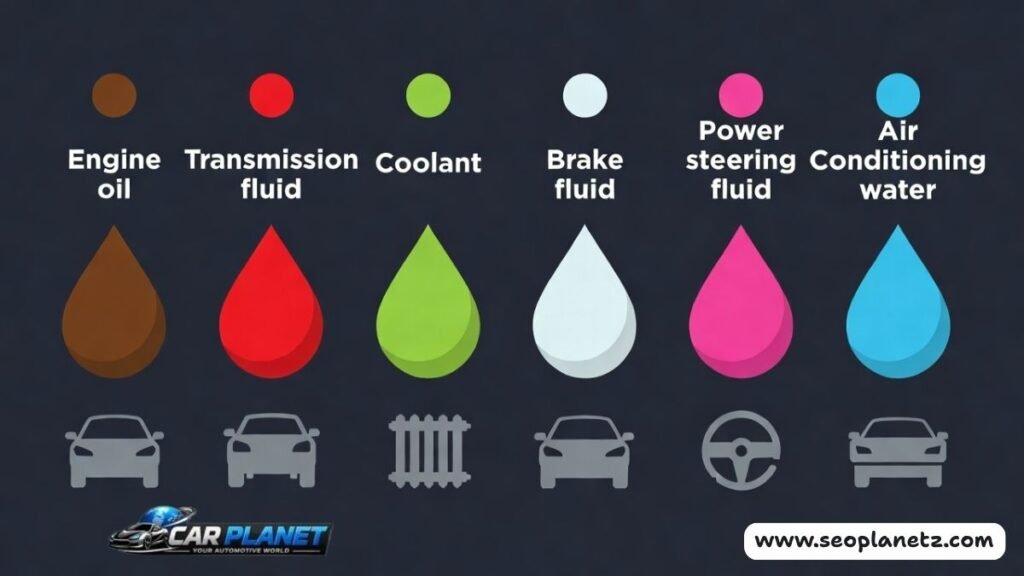
Compare your leak to this quick reference:
| Fluid Type | Color | Texture | Location Under Car |
|---|---|---|---|
| Engine Oil | Brown/Black | Thick, greasy | Center/front |
| Coolant | Green/Pink/Orange | Thin, sweet smell | Front (radiator area) |
| Transmission Fluid | Red/Brown | Slippery, oily | Center |
| Power Steering Fluid | Clear/Light Brown | Thin, oily | Front left |
| Brake Fluid | Clear/Light Yellow | Thin, slightly sticky | Near wheels |
| Water (A/C condensate) | Clear | Watery | Under passenger side |
If the fluid matches engine oil’s description — especially the brown or black fluid under car with a greasy texture — you’re dealing with an oil leak and need to act promptly.
7 Dangerous Causes of a Car Leaking Oil When Parked
1. Faulty Valve Cover Gasket — The #1 Cause
The valve cover gasket seals the top of the engine, preventing oil from escaping around the cylinder head. Over time, heat cycles cause the rubber gasket to harden, crack, and shrink — creating gaps where oil escapes.
A faulty valve cover gasket is the single most common reason for a car leaking oil when parked. Signs include a burning oil smell from the engine bay (oil dripping onto hot exhaust components), visible oil residue around the top of the engine, and oil spots on the driveway appearing after even short parking periods.
This leak is especially common in vehicles over 60,000 miles or more than 7 years old.
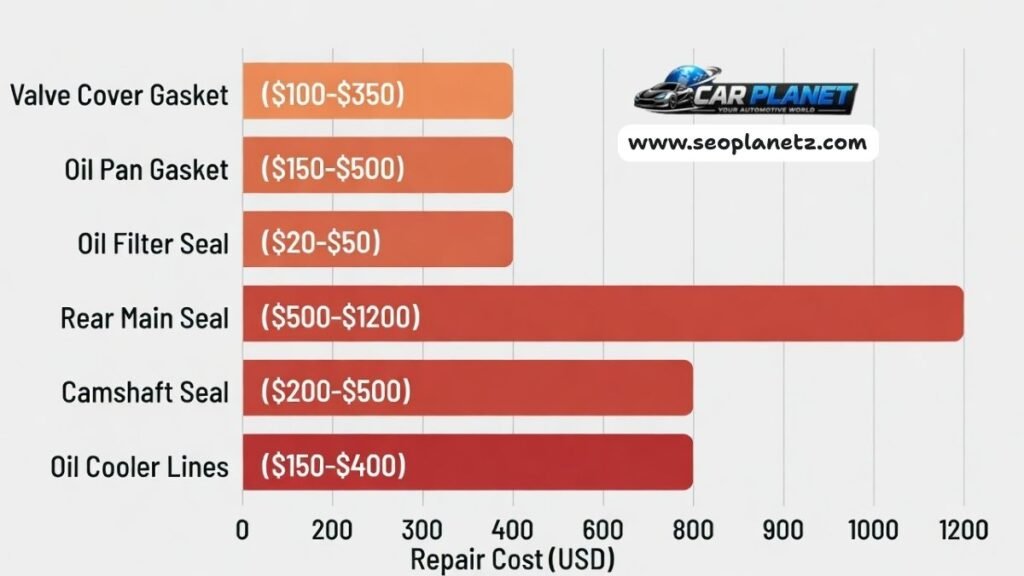
Fix: Valve cover gasket replacement is a relatively straightforward repair. Parts cost $20–$80; total repair including labor runs $100–$350 depending on engine complexity. Many confident DIYers tackle this job at home.
Also Read: AWD vs FWD in 2026: What’s the Difference Between Them?
2. Engine Oil Pan Leak — Low and Slow
The engine oil pan sits at the very bottom of your engine and holds all the oil when the engine is off. It’s exposed to road debris, speed bumps, and temperature extremes — all of which can cause cracks, punctures, or a warped oil pan gasket.
An engine oil pan leak is easy to spot because the oil puddle forms directly below the engine’s lowest point. You may also notice the oil level dropping consistently between changes without an obvious reason. Because the pan is so low, even a minor road impact can crack the pan or dislodge the drain plug — especially if a previous oil change was done with the drain plug over-tightened or cross-threaded.
Fix: A leaking drain plug washer costs under $5 to fix yourself. An oil pan gasket replacement runs $150–$500. An actual cracked oil pan replacement costs $300–$800 including labor. According to RepairPal, oil pan gasket leaks are among the top 10 most common repair jobs nationwide.
Also Read: Why Is My Car Smoking? 7 Common Causes and How to Fix Them
3. Worn Oil Filter Seal — The Overlooked Culprit
Every time your oil is changed, the oil filter is replaced. If the new filter isn’t tightened correctly, or if the old rubber O-ring seal was left on the housing during the filter swap (a common DIY mistake), oil will leak steadily while the engine runs and continue dripping when parked.
A worn oil filter seal produces a fast drip rather than a slow seep. You’ll typically find oil spots on the driveway concentrated near the front or side of the engine bay directly below the filter location. If you recently had an oil change and the leak started immediately afterward, suspect the filter first.
Fix: This is the easiest — and cheapest — oil leak fix possible. A proper oil filter retightening or replacement costs nothing if you do it yourself, or $20–$50 at a shop. Always double-check the old O-ring is removed before threading on a new filter.
4. Rear Main Seal Failure — The Most Expensive Leak
The rear main seal sits between the engine and transmission, sealing the crankshaft where it exits the engine block. When it fails, oil leaks from the very back of the engine — and because of its location, replacement requires removing the transmission entirely.
Rear main seal failure is the most expensive oil leak repair on this list, which is why catching it early matters so much. Signs include oil dripping from the bell housing area between the engine and transmission, burning oil smell from underneath the car, and a puddle that forms toward the center-rear of the vehicle when parked.
This seal is most vulnerable in high-mileage vehicles (typically 100,000+ miles) and in engines that have been run with low oil levels, which accelerates seal wear.
Fix: Rear main seal replacement costs $500–$1,200 due to labor intensity. The part itself is inexpensive ($20–$50), but labor is 6–10 hours. This is not a DIY job for most drivers.
Also Read: 2017 Honda Civic Review, Price, and Specs
5. Cracked or Damaged Oil Cooler Lines
Many modern vehicles use an oil cooler system with rubber or metal lines that circulate engine oil through a cooler to regulate temperature. These lines are exposed to extreme heat cycling and vibration, causing them to crack, corrode, or develop loose fittings over time.
An oil cooler line leak produces oil spots on the driveway that can appear almost anywhere under the vehicle, making it harder to diagnose visually. You may also notice a burning oil smell when driving, particularly after highway speeds when the cooler has been working hard. The Car Care Council recommends inspecting all oil cooler lines during every major service interval.
Fix: Oil cooler line replacement typically costs $150–$400 depending on vehicle type and whether rubber or hard lines are involved.
6. Camshaft or Crankshaft Seal Wear
The camshaft and crankshaft seals prevent oil from escaping where these rotating shafts pass through the engine block. Like all rubber seals, they harden and shrink with age and heat exposure — particularly in vehicles that have run low on oil or overheated.
Camshaft seal leaks appear at the front of the engine near the timing cover. Crankshaft front seal leaks also originate from the front of the engine. Both produce oil spots on the driveway and a gradual drop in oil level. The burning oil smell is common when oil contacts hot engine components nearby.
These seals are often replaced proactively during timing belt service to avoid a second labor charge later — since access requires removing the same components.
Fix: Camshaft seal replacement costs $200–$500 depending on the vehicle. Crankshaft front seal replacement runs $200–$450. Both are manageable costs when done alongside other scheduled maintenance.
7. Overfilled Engine Oil — Yes, Too Much Oil Leaks Too
This one surprises many drivers: overfilling the engine with oil can cause leaks. When oil level is too high, the crankshaft whips through the excess oil at high speed, aerating it into a frothy foam and building up excessive crankcase pressure. This pressure forces oil past seals and gaskets that would otherwise hold just fine.
If you notice a car leaking oil when parked shortly after an oil change, and the dipstick shows the oil level above the maximum mark, overfilling is the likely cause. This is a common mistake when adding oil in small increments without rechecking the dipstick.
Fix: Drain the excess oil until the dipstick reads between the MIN and MAX marks. This is a free fix you can do yourself. Always add oil in small amounts (quarter quart at a time) and recheck the level before adding more.
| Oil Leak Cause | DIY Difficulty | Average Cost | Urgency Level |
|---|---|---|---|
| Valve Cover Gasket | Moderate | $100–$350 | Medium |
| Engine Oil Pan Gasket | Moderate | $150–$500 | Medium |
| Oil Filter Seal | Easy | $20–$50 | Low |
| Rear Main Seal | Professional Only | $500–$1,200 | High |
| Oil Cooler Lines | Moderate | $150–$400 | Medium |
| Camshaft/Crankshaft Seal | Moderate | $200–$500 | Medium-High |
| Overfilled Oil | Easy | Free | Low |
Is an Oil Leak Serious? Know When to Stop Driving
The question “is an oil leak serious?” depends entirely on the severity and location of the leak. A slow seep from a valve cover gasket that drops your oil level by a quarter quart over 1,000 miles is manageable — though it still needs repair. A fast drip from a rear main seal or cracked oil pan that drops your oil level by a quart in 100 miles is a genuine emergency.
Running an engine with critically low oil is one of the fastest ways to destroy it. Without adequate lubrication, metal surfaces grind against each other, bearings fail, and the engine seizes — a repair that can cost $3,000–$10,000 or more. The National Highway Traffic Safety Administration (NHTSA) notes that engine oil system failures are a contributing factor in a significant number of roadside breakdowns annually.
Rule of thumb: Check your oil level every time you notice oil spots on the driveway. If it drops more than half a quart between checks, stop driving and get it diagnosed immediately.
Also Read: How to Jump a Car Safely and Correctly in 2026
How to Fix an Oil Leak — Step by Step
For minor leaks, here’s a practical approach before heading to a shop:
First, clean the engine thoroughly with degreaser so you can identify the exact leak source. A clean engine makes tracing oil far easier. Next, check the obvious culprits — oil filter tightness, drain plug tightness, and oil level. Then start the engine and let it warm up, watching carefully for where fresh oil appears.
If you can identify the source and it’s accessible (valve cover gasket, oil filter, drain plug), many drivers successfully handle these repairs at home. For anything involving the transmission, timing cover, or internal seals, professional repair is the right call.
The Automotive Maintenance and Repair Association (AMRA) recommends getting at least two repair quotes for any oil leak repair over $300 to ensure fair pricing.

Key Takeaways
Understanding why your car is leaking oil when parked is the first step to protecting your engine. Here are the most important points from this guide:
- Brown or black fluid under your car that’s thick and greasy is engine oil — act promptly.
- The faulty valve cover gasket is the most common cause of a car leaking oil when parked.
- An engine oil pan leak is often caused by road debris impact or a stripped drain plug.
- A worn oil filter seal is the easiest and cheapest fix — check this first after an oil change.
- Rear main seal failure is the most expensive repair at $500–$1,200 and requires professional help.
- Never ignore a fast drip — low oil levels can destroy an engine within minutes of operation.
- Overfilled oil is a surprisingly common cause of leaks and costs nothing to fix yourself.
Frequently Asked Questions
Q: Is it normal for a car to leak oil when parked?
A: No, a healthy car should never leave oil spots on the driveway. Some condensation (water) is normal, but oil leaks always indicate a worn or damaged seal, gasket, or component. Even small leaks should be diagnosed and repaired to prevent engine damage.
Q: How expensive is it to fix an oil leak?
Engine oil leak cost varies widely. Simple fixes like an oil filter seal or drain plug washer cost $5–$50. Valve cover and oil pan gaskets run $100–$500. The most expensive repair — rear main seal replacement — costs $500–$1,200 due to labor. Getting a diagnosis first prevents paying for the wrong repair.
Q: Can I drive my car if it’s leaking oil?
It depends on severity. A very slow seep with normal oil levels is temporarily manageable — but you must check the dipstick daily and top up as needed. A fast drip that drops your oil level quickly is a driving emergency. Running an engine with critically low oil causes irreversible damage within minutes.
Q: Can an oil leak be fixed in a day?
Yes, many oil leaks can be fixed same-day. Simple repairs like oil filter seal, drain plug, and even valve cover gaskets are often completed within 1–3 hours. More complex repairs like rear main seal replacement require 6–10 hours of labor and may take a full day or more at a shop.
Q: How long will a car run with an oil leak?
This depends entirely on the leak rate and how much oil remains. An engine with a slow leak and full oil level can run for weeks or months — but needs monitoring and topping off. An engine with a severe leak and critically low oil can seize within 15–30 minutes of operation. Never run an engine without checking the oil level first.
Q: Can AutoZone diagnose an oil leak?
A: AutoZone and similar auto parts stores can read OBD2 fault codes for free, but oil leaks are typically mechanical rather than electronic and won’t show up on a code scanner. Staff can help you identify the type of fluid and suggest likely causes, but a hands-on visual inspection — either yourself or at a shop — is needed to definitively locate a car leaking oil when parked.
Also Read: How to Used Toyota RAV4 Complete Buyer’s Guide 2026
Conclusion
A car leaking oil when parked is never something to brush off until next month. Whether it’s a $5 drain plug washer or a $1,200 rear main seal, the cost of ignoring an oil leak is always higher than fixing it early. The burning oil smell, oil spots on the driveway, and brown or black fluid under your car are your engine’s way of asking for help. By identifying the cause — whether it’s a faulty valve cover gasket, engine oil pan leak, or worn oil filter seal — and acting promptly, you protect your engine and keep repair bills manageable.
Check your oil level regularly, investigate any new spots under your vehicle immediately, and don’t hesitate to consult a certified mechanic when the leak is beyond your comfort zone. A well-maintained engine with no oil leaks will reward you with hundreds of thousands of miles of reliable service. When your car leaking oil when parked sends you that warning, make sure you listen.